
For companies operating in regulated industries – such as nicotine, tobacco, and alcohol – legislation is a natural part of everyday business. Strict rules govern how products can be presented, and marketing must stay within clearly defined boundaries. This means that every design decision is made within a set of limitations.
But limitations don’t have to lead to anonymity. On the contrary, they can create focus – encouraging brands to work more creatively with identity, form, and experience to build a brand that extends beyond the product itself.
In this article, we take a closer look at how brands in regulated industries can use packaging and printed merchandise to build a clear and distinctive identity – even when marketing must operate within strict frameworks.
This article discusses packaging from a design and branding perspective. It does not replace legal review, and every brand must ensure that their solutions comply with applicable regulations.


Packaging & merch rules for nicotine brands
Regulations for nicotine products differentiate between types of packaging.
Primary packaging – the packaging that directly contains the product, such as a snus can or tin – is subject to the strictest rules. This includes mandatory health warnings, standardized warning text, correct placement, and other product information, all of which must comply with legal guidelines.
Secondary packaging, such as cartons, sleeves, or multipacks, can also fall under regulations if sold together with the product in stores. In these cases, the outer packaging must not circumvent the rules – for example, by hiding warnings or acting as an alternative visual representation of the product.
Gift or promotional packaging is assessed based on its use. If sold with the product, the same principles generally apply. Empty gift bags or separate tote bags typically do not fall under the same requirements.
Merchandise featuring a nicotine brand’s logo can, in some cases, be considered indirect marketing. Therefore, such products must be designed and distributed in compliance with existing regulations for advertising and marketing of nicotine products.

How nicotine brands can build identity through packaging and merch
Operating within strict regulations doesn’t mean opportunities disappear – but adaptation is key. When marketing is heavily restricted, it becomes even more important to work strategically with everything surrounding the brand. In recent years, several international nicotine brands have increasingly focused on merchandise, community products, and lifestyle-inspired collaborations.
Within legal boundaries, there is still room to develop:
- Thoughtful PR and collaboration boxes
- Gift bags and empty packaging that reinforce recognition
- Printed merchandise – such as t-shirts, jackets, games, and more.
Brand equity tied to lifestyle, not just the product
Rather than focusing solely on the nicotine product itself, many brands explore alternative ways to strengthen their identity. Branded merchandise – clothing, accessories, and promotional items featuring the brand’s visual language – is one effective approach.
Through merchandise and considered packaging design, companies can communicate style, values, and design across multiple touchpoints beyond the product. This builds recognition and strengthens relationships with the brand outside traditional packaging.
In this way, brand-building shifts from the product to a broader visual identity. Packaging and merchandise become essential tools for long-term brand positioning – especially in regulated industries where traditional marketing is limited.
At the same time, it’s important to remember that merchandise promoting nicotine products may be subject to the same rules as other forms of advertising.


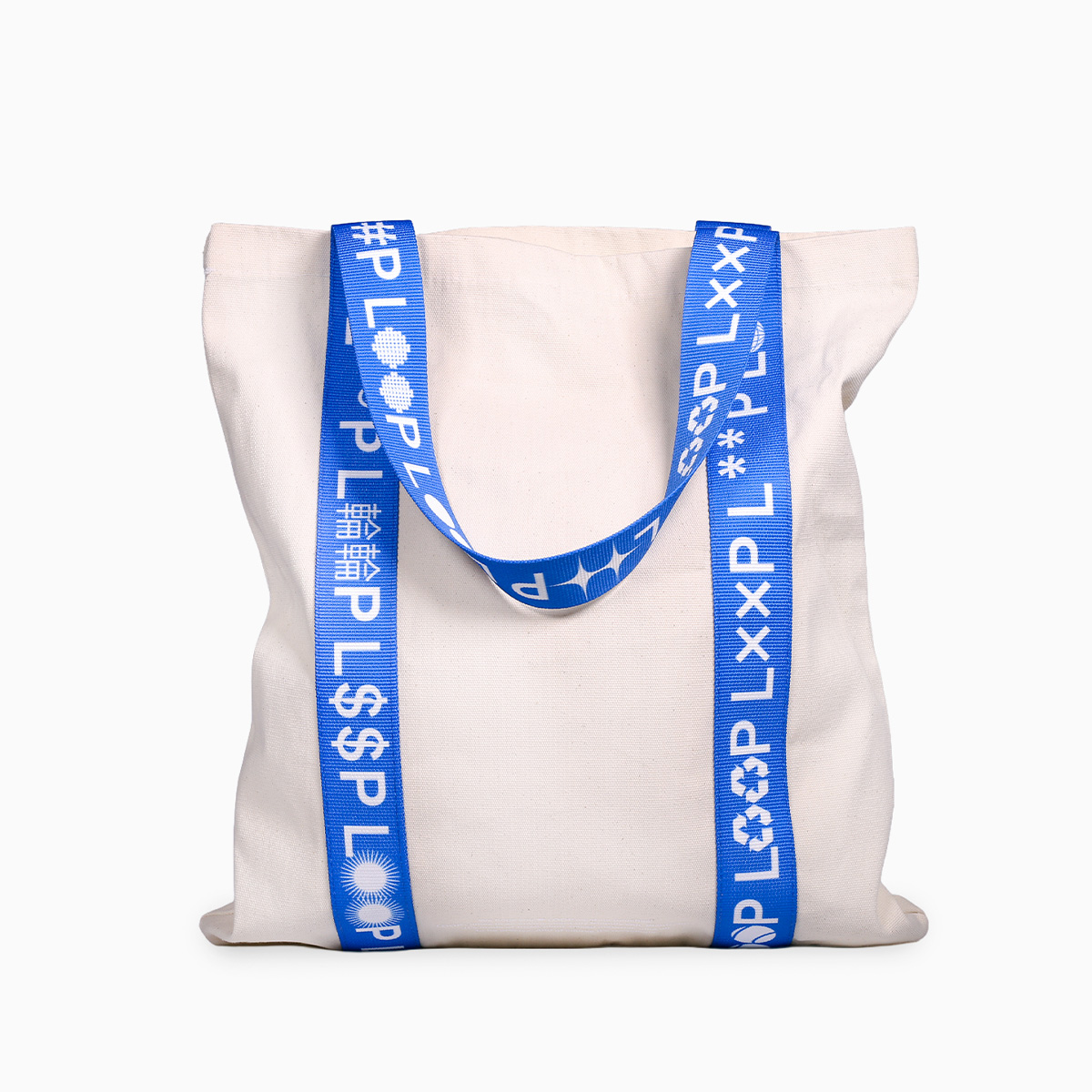
Advent calendar & reusable bag with printed handles.
Image rights for images 2 and 3: LOOP Nicotine Pouches.
Labeling rules & regulations
The rules for labeling and presenting tobacco products are governed by both national legislation and EU regulations, primarily the EU Tobacco Products Directive (2014/40/EU).
The directive sets requirements for health warnings, labeling, and how tobacco products may be displayed on packaging.
For a more detailed overview of current regulations, please refer to guidance from the relevant authorities and the European Commission.
Sources: https://health.ec.europa.eu/tobacco/product-regulation/health-warnings_en
Contact us
 Cases
Cases
Case: Florea Seeds
Helhetskoncept med emballage, förpackningar, adventskalendrar och trycksaker till Florea
Read full article → Products
How world-leading brands work with brand activations
Detta gör varumärken i en tid där människors uppmärksamhet är hårdvaluta och traditionell reklam ofta scrollas förbi.
Read full article → About Avisera
Working with us – from idea to delivery
How we are working together with our customers
Read full article →